
How Air Duct Cleaning Works: 7 Steps
Air duct cleaning is a professional process that removes dust, debris, and other buildup from the supply and return sides of an HVAC system. It usually includes an inspection, system preparation, powerful vacuum extraction, cleaning of accessible components, and a final check to confirm the system is ready to use.
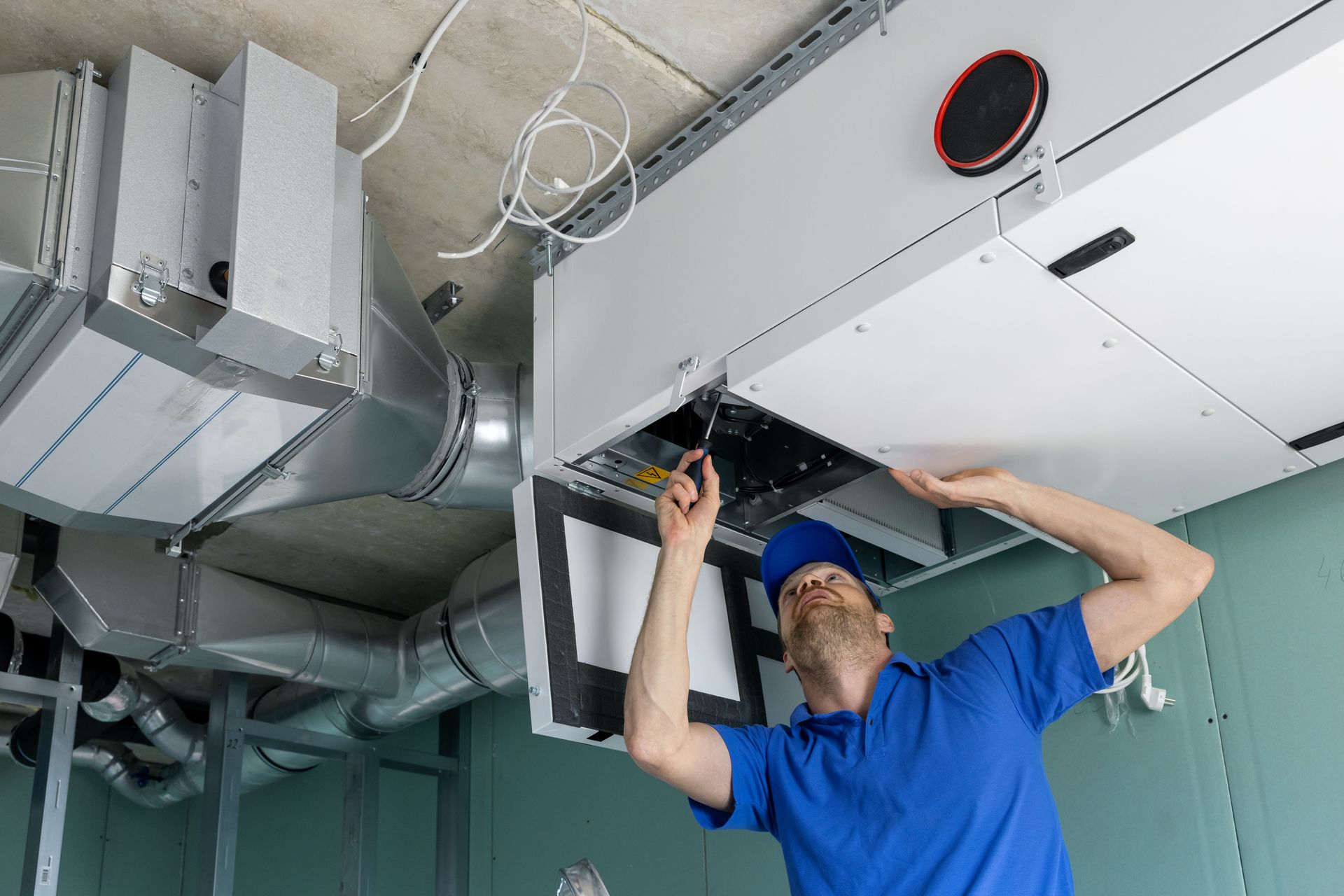
What happens before air duct cleaning begins?
A reputable technician starts by discussing your concerns and checking the HVAC system. This first stage helps identify visible dust, unusual odors, airflow problems, moisture damage, or signs of pests. It also confirms which parts of the ductwork are accessible and whether additional services may be useful.
Before work begins, the technician may:
- Ask when the system was last cleaned or inspected
- Check supply vents, return vents, registers, and accessible duct openings
- Inspect the furnace, air handler, coils, and blower area
- Look for mold-like growth, water damage, or excessive debris
- Explain the planned work and provide an estimate
A basic inspection is important because not every problem is solved by duct cleaning alone. For example, a clogged filter, damaged duct or poorly maintained furnace may continue to affect airflow after the ducts have been cleaned.
How is the home prepared for cleaning?
Technicians normally protect the work area before connecting equipment. This can include laying down clean coverings, moving small items away from vents, and placing protective materials around the HVAC unit. The goal is to contain dust and avoid damage to floors, walls, and furniture.
The HVAC system is generally switched off while the cleaning takes place. Vents and registers are opened one at a time, while other openings may be covered temporarily. This helps the vacuum create controlled pressure through the duct system rather than allowing loosened debris to circulate through the home.
Good preparation also means keeping the process organized. Your technician should explain where equipment will be positioned, which rooms need access, and how long the appointment is expected to take.
What equipment is used during the air duct cleaning process?
Professional air duct cleaning uses specialized equipment designed to dislodge and capture debris. The most important piece is a high-powered vacuum collection system. It creates negative pressure so dust and loosened particles move into the collection unit instead of spreading around the property.
Depending on the system and the condition of the ductwork, a technician may also use:
- Rotary brushes or air whips to loosen compacted debris
- Agitation tools for bends, branches, and longer duct runs
- Inspection cameras to view difficult-to-reach areas
- HEPA-filtered vacuum equipment for added particle control
- Hand tools for removing and replacing registers and access panels
Equipment should be selected according to the duct material and the HVAC design. Flexible ducts, sheet-metal ducts, and insulated ducts may require different techniques. Excessive force or unsuitable tools can damage duct liners, seals, or connections, so careful handling matters.
How are the vents and ductwork cleaned?
The cleaning usually progresses through the supply and return sides of the system. Registers are removed and cleaned, while the connected duct openings are agitated and vacuumed. The technician works through the network methodically so that loosened material is drawn towards the collection equipment.
The process commonly includes these steps:
- Create access points. The technician removes selected registers or opens approved access areas.
- Connect the vacuum. A hose is attached to the main trunk line or another suitable location.
- Seal the system. Openings are covered so negative pressure is maintained.
- Agitate the ducts. Brushes or compressed-air tools loosen dust and debris from interior surfaces.
- Clean each branch. Supply and return runs are addressed individually where possible.
- Remove collected material. Debris is captured in the vacuum equipment rather than left in the home.
- Replace or close access points. Registers and panels are refitted once the work is complete.
The exact sequence varies by property. A small residential system may take less time than a larger home, multi-zone system, or commercial installation. Severe buildup, restricted access, and previous renovations can also affect the appointment.
Are the furnace and other HVAC components cleaned too?
Air duct cleaning focuses on the ductwork, but responsible service may include accessible HVAC components. Dust around the blower compartment, return box, grilles, and registers can be removed when appropriate. Some components, such as coils or internal furnace parts, may need separate cleaning or maintenance.
It is important to understand the difference between services. Furnace cleaning may be the better option when the heating unit itself needs attention. Likewise, sanitation and deodorisation is a separate treatment that may be considered for persistent odors after the source has been identified.
A technician should explain what is included rather than implying that every part of the HVAC system receives the same treatment. If a component is sealed, delicate, or unsafe to access, it should not be opened without the correct procedure.
How long does air duct cleaning take?
Many residential appointments take around two to four hours, although timing depends on the size of the property, the number of vents, system design, access, and the level of buildup. Larger homes, complicated duct layouts, and commercial premises may require more time or multiple visits.
You can help the appointment run smoothly by:
- Clearing items from around vents and the indoor HVAC unit
- Making sure the technician can enter each room with a register
- Securing pets away from open doors and equipment
- Mentioning fragile flooring, alarms, or access restrictions in advance
- Asking what the quoted service includes
A precise time estimate is easier after an inspection. Be cautious of promises that every property can be cleaned in the same short period regardless of its size or condition.
What happens after the ducts are cleaned?
After extraction is complete, the technician checks the work area and HVAC connections. Registers and access panels are reinstalled, coverings are removed, and the system is switched on. The technician may listen for unusual sounds, check airflow, and confirm that the equipment is operating normally.
You can ask for a summary of:
- Areas cleaned and any areas that were inaccessible
- Conditions noticed during the inspection
- Recommended filter replacement or HVAC maintenance
- Repairs or sealing work that may improve airflow
- Photos or notes documenting significant findings
If dust, odor or airflow issues remain, the next step is to identify the cause rather than automatically repeating the cleaning. A damaged duct, dirty filter, moisture problem, or equipment fault may need separate attention.
Does air duct cleaning make the air cleaner immediately?
Many homeowners notice less visible dust or fresher airflow after cleaning, particularly when the system had substantial buildup. Results vary, however, because indoor air quality is influenced by filtration, humidity, ventilation, pets, cooking, smoke, building materials, and the condition of the HVAC equipment.
Duct cleaning is one part of a broader maintenance plan. Replacing filters on schedule, controlling moisture, and arranging timely HVAC inspections can help maintain the result. If you are concerned about allergies or recurring odors, discuss the symptoms with a qualified professional and consider whether an indoor air quality assessment is appropriate.
When should you schedule professional duct cleaning?
Cleaning may be worth considering when you can see heavy debris around registers, after renovation work, following water damage, when occupants report persistent musty odors or when the home has not had the ductwork assessed for many years. It may also be useful when buying a property and wanting a clearer picture of the system’s condition.
Not every home needs frequent cleaning. The right timing depends on the property, occupants, pets, renovation history, and HVAC performance. For a local assessment, explore residential air duct cleaning or request an air duct cleaning estimate. Businesses can review commercial air duct cleaning for larger or more complex systems.
Frequently asked questions
Will air duct cleaning make a mess?
Professional technicians use sealed connections, protective coverings, and collection equipment to control dust. Some noise and brief disruption are normal, but the work area should be left tidy.
Should I leave the house during cleaning?
Usually, you can remain at home if you are comfortable with equipment noise and technicians moving between rooms. People with strong sensitivities may prefer to leave during the appointment.
Do I need to clean my dryer vent separately?
Yes. A dryer vent is separate from the HVAC duct system and can accumulate lint. Dryer vent cleaning helps reduce lint buildup and supports safer, more efficient dryer operation.
How do I choose an air duct cleaning company?
Look for clear pricing, trained technicians, appropriate equipment, proof of insurance, and an explanation of what the service includes. Avoid pressure to approve unnecessary treatments before the system has been inspected.
Key takeaways
Air duct cleaning typically follows a clear sequence: inspect the system, prepare the home, establish controlled vacuum pressure, agitate and remove debris, clean accessible components, and complete a final operating check. The appointment length and results depend on the duct layout, access, and condition of the HVAC system. If you are seeing heavy buildup, noticing persistent odors or planning maintenance after renovation, start with an inspection and written estimate. Then compare the recommended work with your home’s actual needs, including filters, furnace maintenance, duct repairs, and dryer vent safety.


